Extraction-Grade Vanilla Beans for Natural Flavor Production
Extraction-grade vanilla beans are a distinct commercial category. This guide explains what they are, how they differ from gourmet beans, and what flavor manufacturers and ingredient buyers should evaluate before purchasing.
Extraction-grade vanilla beans are not simply lower-quality gourmet beans. They are a separate commercial category purchased for a different purpose: efficient, repeatable extraction of natural vanilla flavor into alcohol, glycerin, sugar syrups, dairy bases, or compounded flavor systems. For importers, distributors, and flavor manufacturers, buying extraction-grade beans requires a different set of technical and commercial criteria than buying whole gourmet beans for retail or culinary display.
This guide explains what extraction-grade vanilla means in practice, which factors matter most when sourcing, and how to evaluate suppliers without relying on marketing claims. It is written for buyers who need consistent raw material for production, not for consumers choosing a single pod.
What Makes Vanilla Beans “Extraction Grade”?
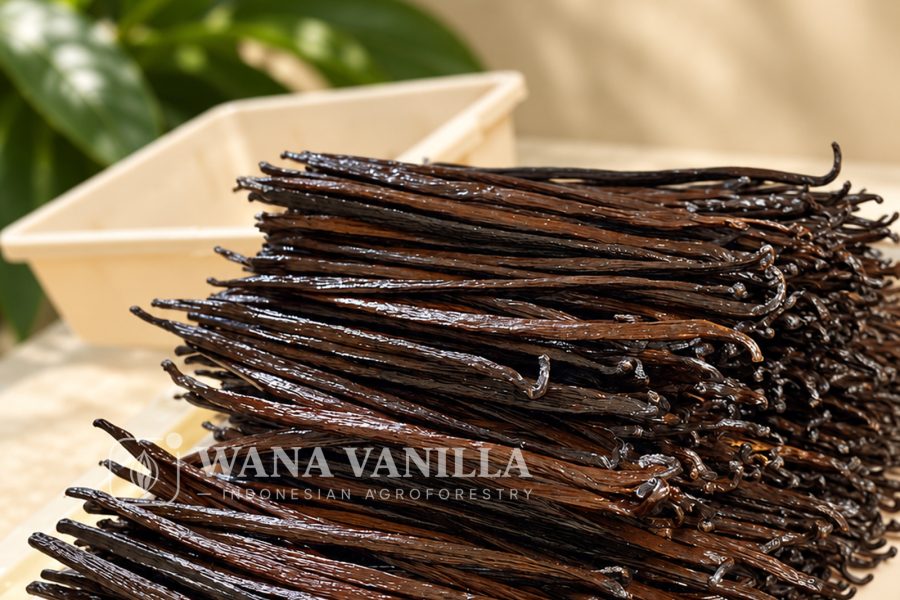
In the vanilla trade, grading is primarily visual and physical. Gourmet grades such as A+ and A are defined by length, appearance, moisture, and flexibility. Extraction grade is a broader category that includes beans which may be shorter, split, cut, broken, drier, or less uniform in appearance, but which still retain commercially useful vanillin content and flavor precursors.
Common characteristics of extraction-grade lots include:
- Mixed lengths, often below 14 cm
- Split, cut, or broken pods
- Beans with surface blemishes or uneven curing color
- Lower moisture than gourmet display beans in some lots
- Blends of Planifolia and Tahitensis, or single-species lots
These visual defects matter little when the beans are ground, chopped, or steeped. What matters is the extractable flavor content, the absence of off-notes from poor curing or mold, and the consistency of the lot.
Key Selection Criteria for Flavor Manufacturers
Before requesting samples or placing a trial order, buyers should define their technical requirements. The following criteria are the most practical starting points.
Species and Flavor Profile
Vanilla planifolia remains the dominant species for extraction because of its familiar, broad vanilla character and strong market acceptance. Vanilla tahitensis offers a different profile, often described as more floral, fruity, and anisic. Some manufacturers use Tahitensis to add top notes to a Planifolia base. Others require a single species for label simplicity or product consistency.
Buyers should confirm whether a lot is pure Planifolia, pure Tahitensis, or a deliberate mix. Mixed lots can be useful for cost control, but they are harder to standardize unless the supplier documents the blend ratio.
Moisture Content
Moisture affects weight, shelf stability, and extraction efficiency. Very dry beans weigh less per pod and may extract more slowly, while overly moist beans carry a higher risk of mold during storage and transit. Extraction-grade beans do not have one universal moisture specification. Different origins, curing methods, and storage conditions produce different results.
Rather than expecting a single number, buyers should ask the supplier for the actual moisture range of the current lot and evaluate whether it fits their storage conditions and extraction process. A clear, documented range is more useful than a marketing claim of an ideal percentage.
Vanillin Content and Aroma
Vanillin content is a useful indicator, but it is not the only measure of quality. Natural vanilla contains hundreds of aromatic compounds that contribute to a full flavor profile. A bean with acceptable vanillin but poor curing can still taste flat or smoky.
Practical evaluation includes:
- Cutting several beans from different parts of the lot and smelling the interior
- Checking for mold, fermentation off-notes, or excessive smokiness
- Running a small test extraction under the buyer’s own production conditions
- Comparing yield and sensory profile against a reference sample
Foreign Matter and Defect Rate
Extraction-grade lots are not visually perfect, but they should still be clean. Buyers should agree with the supplier on acceptable limits for stems, pods with visible mold, insect damage, and non-vanilla foreign matter. Even for extraction, moldy beans are a serious quality and food safety issue and should be rejected, not discounted.
Extraction-Grade vs Gourmet Grade: A Practical Comparison
Understanding the difference helps buyers avoid paying gourmet prices for extraction material, or expecting gourmet appearance from extraction lots.
- Gourmet Grade A+ and A: long, whole, visually attractive pods with higher moisture and flexibility. Used for retail, pastry, and visible culinary applications. Priced for appearance and length.
- Extraction Grade: shorter, broken, split, or less uniform pods. Used for grinding, chopping, steeping, and industrial flavor production. Priced for extractable flavor rather than appearance.
For a flavor manufacturer, paying for length and visual perfection is usually unnecessary. The goal is to buy the maximum usable flavor per kilogram at a stable quality level.
Questions to Ask an Extraction-Grade Supplier
A reliable supplier should be able to answer basic technical and commercial questions without hesitation. Useful questions include:
- What species is this lot, and is it single-origin or blended?
- What is the current moisture range for this specific lot?
- Can you provide a representative sample from the actual lot offered, not a generic sample?
- What is the approximate percentage of broken, split, or short pods in this lot?
- How is the material packed, and what is the expected shelf life under normal storage?
- What are the available Incoterms and shipping methods for trial and full orders?
Suppliers who cannot or will not answer these questions may not be suitable for industrial buyers who need repeatable results.
Sourcing from Indonesia: What Buyers Should Know
Indonesia is a major producer of vanilla, and Indonesian suppliers range from small collectors to established trading companies. A trading company can add value by consolidating lots, sorting, and preparing material for export, but buyers should understand what a trader is and is not.
PT Wana Vanilla Indonesia is a vanilla trading company, not a farm or factory. It offers extraction-grade vanilla beans in Planifolia, Tahitensis, or mixed lots, with a stated supply capacity of 5,000 kg per month. The company also supplies gourmet whole beans, ground vanilla powder, and a natural vanilla concentrate. Trial orders for whole beans and powder start from 1 kg, with Incoterms EXW, FCA, and DAP available, and international delivery generally arranged by air.
Buyers evaluating any supplier should request a current lot sample, confirm the actual moisture and species, and run their own test extraction before committing to volume. No supplier’s marketing description replaces a buyer’s own quality control.
If you are sourcing extraction-grade vanilla beans for natural flavor production and would like to discuss current lot availability, trial quantities, or shipping terms, you can contact PT Wana Vanilla Indonesia for more information.