How Importers Can Assess Supplier Documentation for Food Ingredients
Importers of food ingredients rely on paperwork long before a shipment arrives. This guide explains how to read, verify and challenge supplier documents without over-trusting a single certificate.
For importers of food ingredients, supplier documentation is often the first and only line of defence before goods leave origin. A well-prepared document pack cannot guarantee quality on its own, but a weak or inconsistent one is a reliable warning sign. Reviewing paperwork carefully protects downstream customers, speeds up customs clearance and reduces the risk of expensive rejections at port.
This guide outlines a practical approach for importers, distributors, bakeries, flavour houses and food manufacturers to evaluate documentation from ingredient suppliers. It focuses on what to look for, what should match across documents, and how to raise sensible questions when something looks off.
Start With the Core Documents You Should Always Receive
Before diving into technical details, confirm that the basic document set is complete. Missing paperwork is more common than importers expect, especially from newer or smaller suppliers. For most food ingredients traded internationally, you should expect:
- Commercial invoice and packing list, with lot/batch numbers that match the goods.
- Certificate of Analysis (COA) issued per batch, not a generic specification sheet.
- Product specification sheet describing physical, chemical and sensory parameters.
- Certificate of Origin, usually issued by a chamber of commerce.
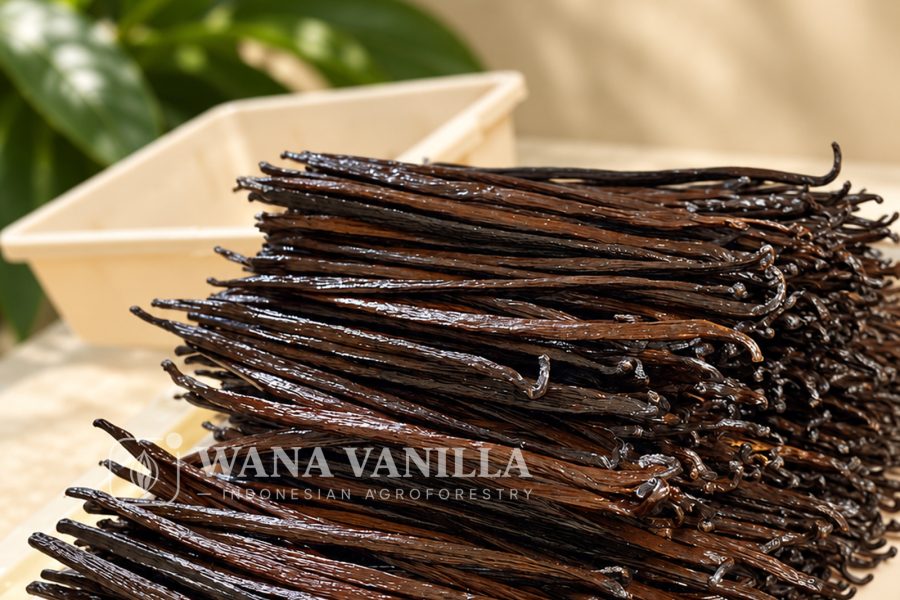
- Phytosanitary certificate for plant-based ingredients such as vanilla beans, where required by the importing country.
- Health or free sale certificate, when the destination country requests it.
- Bill of lading or air waybill matching the shipment.
- Fumigation or treatment certificate, if applicable to the product and route.
Additional documents may be required depending on the ingredient, destination and intended use, for example allergen statements, GMO declarations, nutritional data, or kosher/halal attestations when relevant.
Read the Certificate of Analysis Critically
A COA is only useful if it is batch-specific, dated, and traceable. Look at who issued it, when, and against what method. Key questions to ask yourself:
- Does the COA reference a specific batch or lot number that will appear on the physical packaging?
- Are the test methods named (for example, moisture by oven drying, vanillin by HPLC)?
- Are the results shown as measured values, not just “conforms”?
- Is the laboratory identified? Is it internal, or an accredited third party?
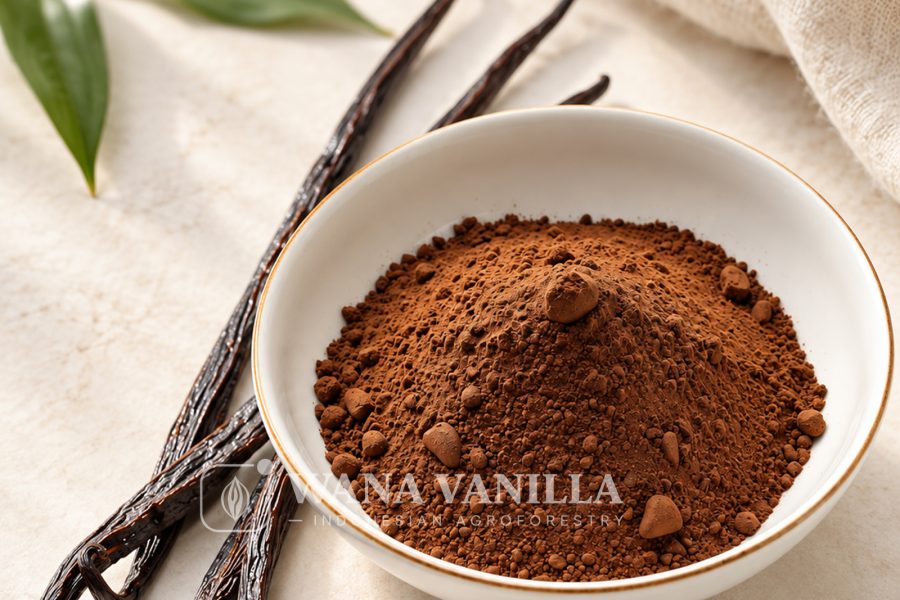
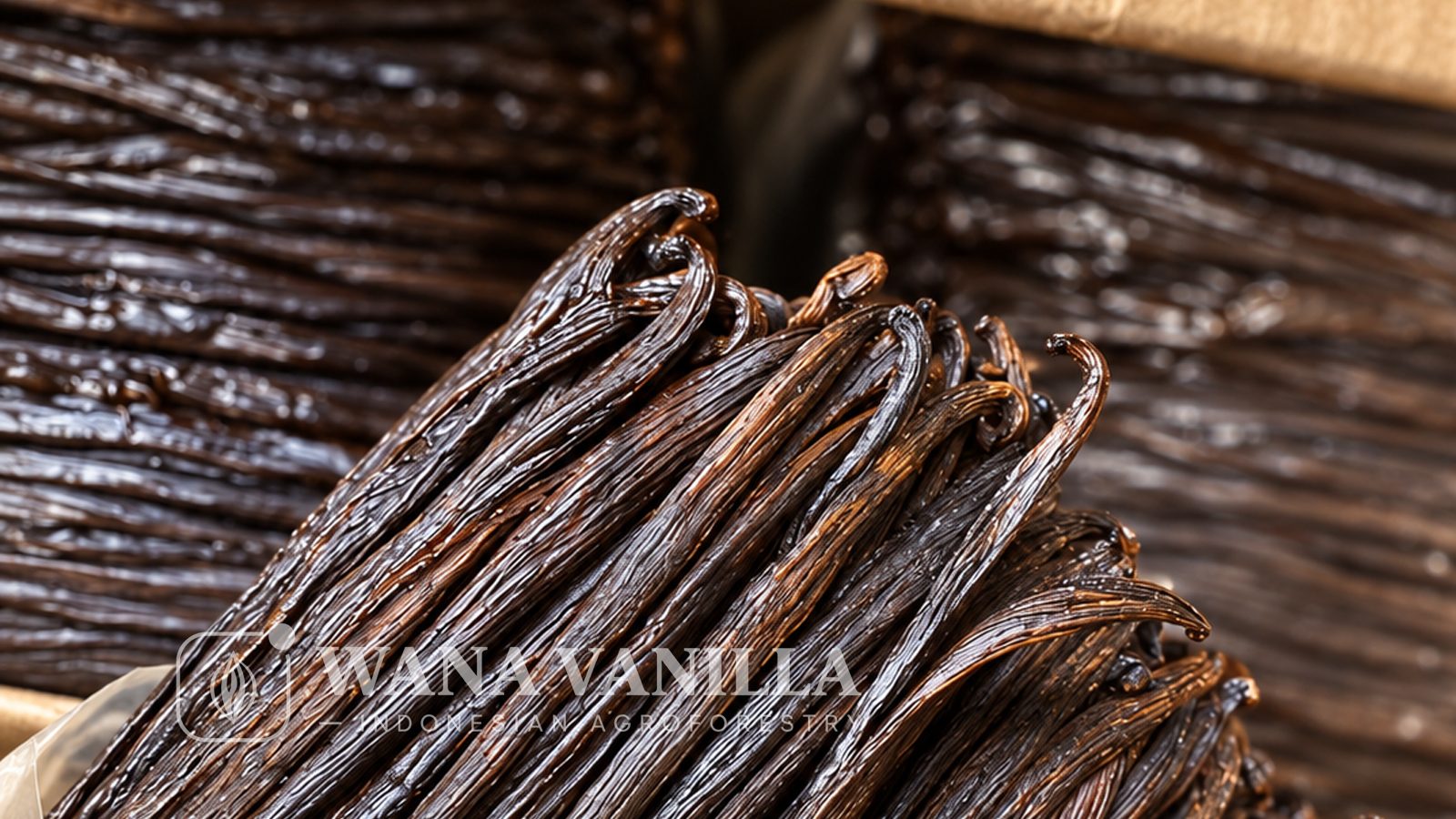
For vanilla beans, typical parameters include moisture, vanillin content, length grade, and visual defects. For ground vanilla or liquid concentrates, expect additional parameters such as particle size, pH, density, or microbiological results depending on the product. A supplier that provides a sample COA, such as a measured moisture of 10.89% on one ground vanilla batch, is giving you an example — not a guarantee that every future batch will show identical figures. Treat COAs as batch evidence, not as a blanket promise.
Watch for These COA Red Flags
- Identical values across many different batches (suggests copy-paste rather than real testing).
- Results reported with impossible precision for the method used.
- No signature, no issue date, or no laboratory identification.
- Parameters that do not match the specification sheet.
Cross-Check Documents Against Each Other
One of the fastest ways to spot problems is simple cross-referencing. The same information often appears in several documents, and discrepancies deserve explanation. Check that:
- Product descriptions on the invoice, packing list and COA all match in grade, form and quantity.
- Lot numbers on the COA match the physical labels and the packing list.
- Country of origin on the certificate of origin, phytosanitary certificate and invoice all agree.
- Net and gross weights are consistent between the packing list and transport document.
- HS codes used for customs match the actual product description.
Mismatches do not always mean fraud — often they are clerical errors — but any importer should ask the supplier to correct and reissue before the shipment moves.
Evaluate Traceability and Supplier Transparency
Documentation is only as strong as the traceability behind it. For agricultural ingredients like vanilla, ask the supplier to explain their sourcing structure clearly. A trading company, for example, is not the same as a plantation owner or an extraction plant; both can be legitimate, but the paperwork and expectations differ.
Useful questions to ask include:
- Who are you? A farmer cooperative, a trader, a processor, or a combination?
- Which region or regions do the beans or raw materials come from?
- How are batches identified from drying through to export packing?
- If you claim a certification, can you share the certificate number and issuing body?
Suppliers that are transparent about their role and limitations — and that do not overstate their certifications — are generally easier long-term partners than those who promise everything on paper.
Verify Claims Instead of Trusting Labels
Certifications such as organic, HACCP, ISO 22000, FSSC 22000, kosher, halal or fair trade are valuable, but only when they are current and genuinely applicable to the product you are buying. Rather than accepting a logo on a document, importers should:
- Request the full certificate, not a cropped image, and check validity dates.
- Confirm the scope of the certificate — it may cover one site or product line but not another.
- Verify the certificate number directly with the issuing body where possible.
- Avoid assuming that a supplier’s certification automatically transfers to every item they sell, especially if they resell from multiple sources.
When a supplier is a trading company rather than a certified processor, it is still possible to buy good product — but the responsibility for testing and verification sits more squarely with the buyer and any contracted laboratory.
Confirm Specifications Before Each Order
A specification sheet should set the agreed baseline for every shipment. Before placing a purchase order, review the spec with your technical team and confirm, in writing, which parameters are deal-breakers and which are tolerances. For vanilla, this typically includes:
- Grade and length range (for example, A+ at 18 cm or longer, A at 14–17.9 cm for whole beans).
- Moisture content range (such as 25–35% for gourmet whole beans).
- Vanillin minimum (for example, at least 1.5% for gourmet grades).
- Form and processing (whole, extraction grade, ground powder, or liquid concentrate with declared pH and density).
- Packaging type, net weight per unit, and labelling requirements.
Agreeing these up front avoids disputes later when a COA technically shows “within spec” results that still do not match your production needs.
Use Trial Orders and Independent Testing
Documentation review is strongest when combined with physical verification. Where a supplier offers small trial quantities — for instance, trial orders from 1 kg for whole beans or powder — use them to compare the product in hand against the documents received. Where possible, send a retained sample to an independent laboratory for key parameters such as moisture, vanillin, or microbiological limits. Over time, build a file per supplier so you can see whether their documentation and actual results stay consistent.
Working With PT Wana Vanilla Indonesia
PT Wana Vanilla Indonesia is an Indonesian vanilla trading company supplying gourmet Planifolia and Tahitensis beans, extraction grade beans, pure ground vanilla powder and a natural vanilla concentrate, with trial quantities available and shipping on EXW, FCA or DAP terms, typically by air. Importers evaluating documentation are welcome to request current specification sheets and batch-specific COAs through wanavanillaindonesia.com before committing to a larger order.